Youth in Foster Care in North Carolina: The Road to Living Independently
As you move toward living on your own, here are some programs and resources that may help you with school, work, and finding a place to live.
Categories: Transition to Adulthood - Independent Living

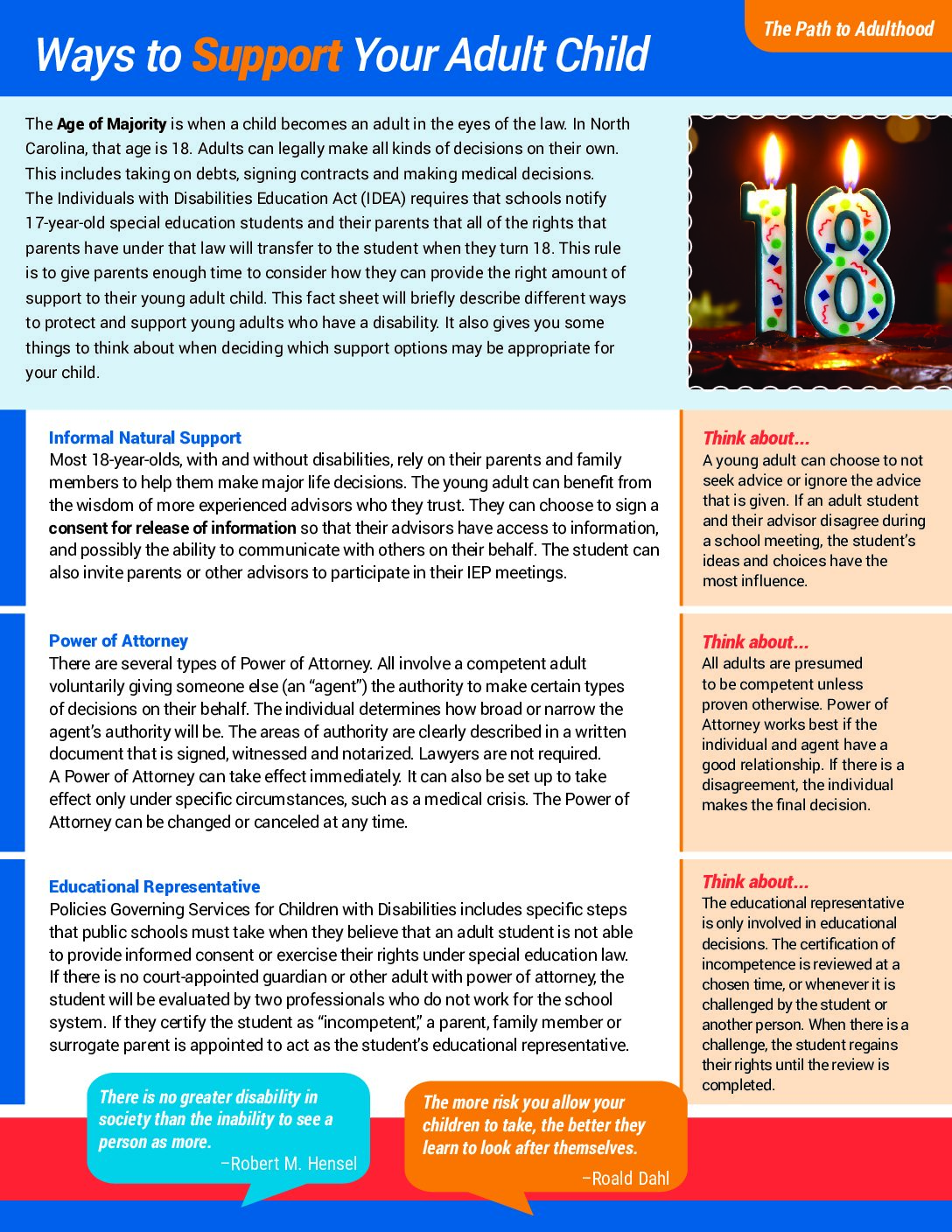
WAZE to Adulthood: Ways to Support Your Adult Child
查看這些支援成年子女的資源和提示!
Categories: Transition to Adulthood - Health Care, Transition to Adulthood - Independent Living

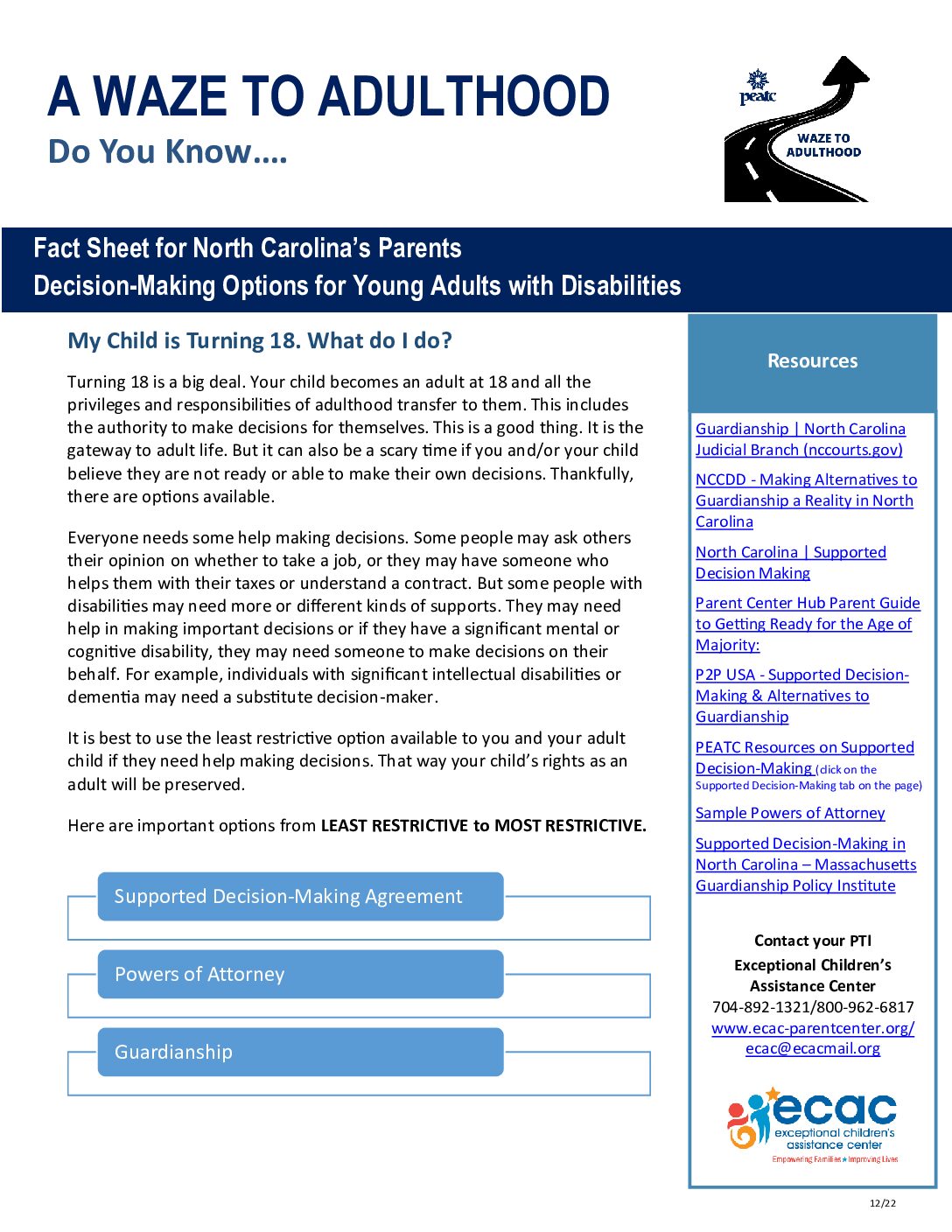
WAZE 到成年:決策選擇
年滿18歲是一件大事。您的孩子在 18 歲時成為成年人,成年後的擁有特權和責任都轉移到他們身上。這包括為自己做決定的權力。這是一件好事。它是通往成人生活的大門。但是,如果您和/或您的孩子認為他們還沒有準備好或無法做出自己的決定,那也可能是一個可怕的時刻。值得慶幸的是,有一些選項可用。
Categories: Guardianship and Alternatives, Transition to Adulthood - Health Care, Transition to Adulthood - Independent Living

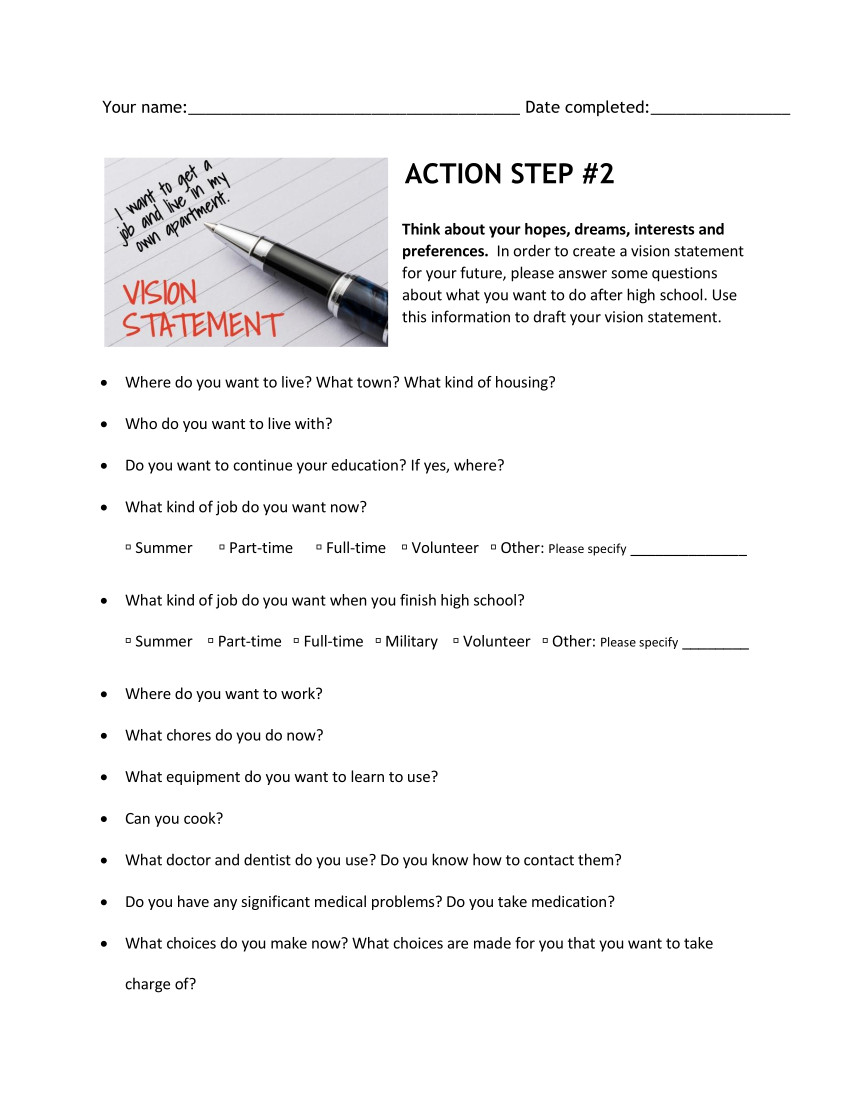
願景聲明工作表操作步驟 #2
這個工作表將幫助年輕人制定一個關於他們高中畢業後生活的願景陳述!
Categories: Advocacy, Transition to Adulthood - Employment and Postsecondary Education, Transition to Adulthood - Health Care, Transition-age Youth, Transition to Adulthood - Independent Living

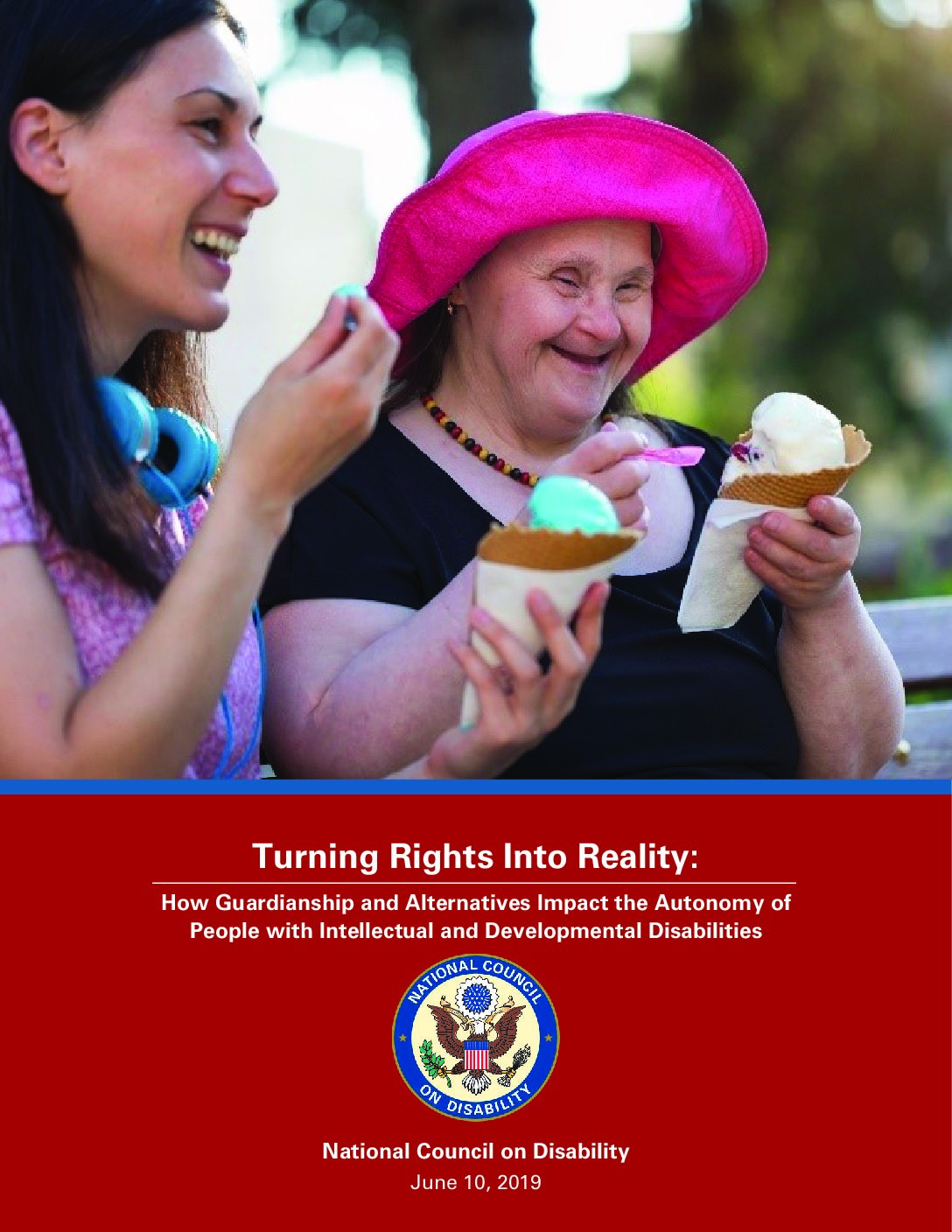
將權利變為現實:監護權和替代方案如何影響智力和發育障礙者的自主權
本報告深入探討了智力和發育障礙(ID/DD)患者面臨的獨特挑戰,以及使用諸如支持決策等替代方案如何使一些ID/DD患者能夠行使更大的自決權,更充分地參與社區,並實現更大的經濟自給自足。
Categories: Guardianship and Alternatives, Transition to Adulthood - Independent Living

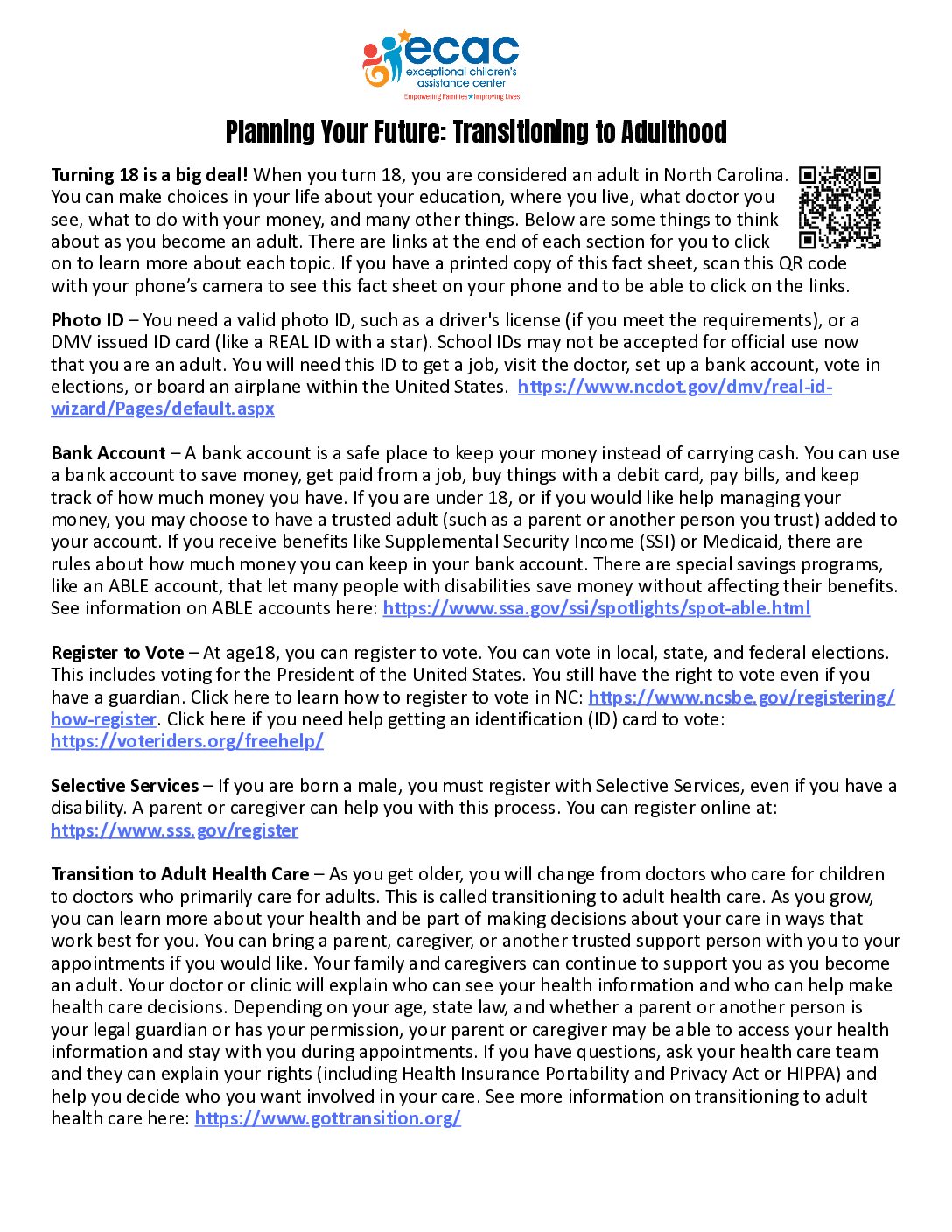
Turning 18 in North Carolina
Turning 18 is a big deal! When you turn 18, you are an adult in most states. This means you can make choices in your life about your education, where you live, what doctor you see, what to do with your money, and many other things. Here are some things you should think about as you become an adult.
Categories: Transition to Adulthood - Employment and Postsecondary Education, Transition to Adulthood - Health Care, Transition to Adulthood - Independent Living

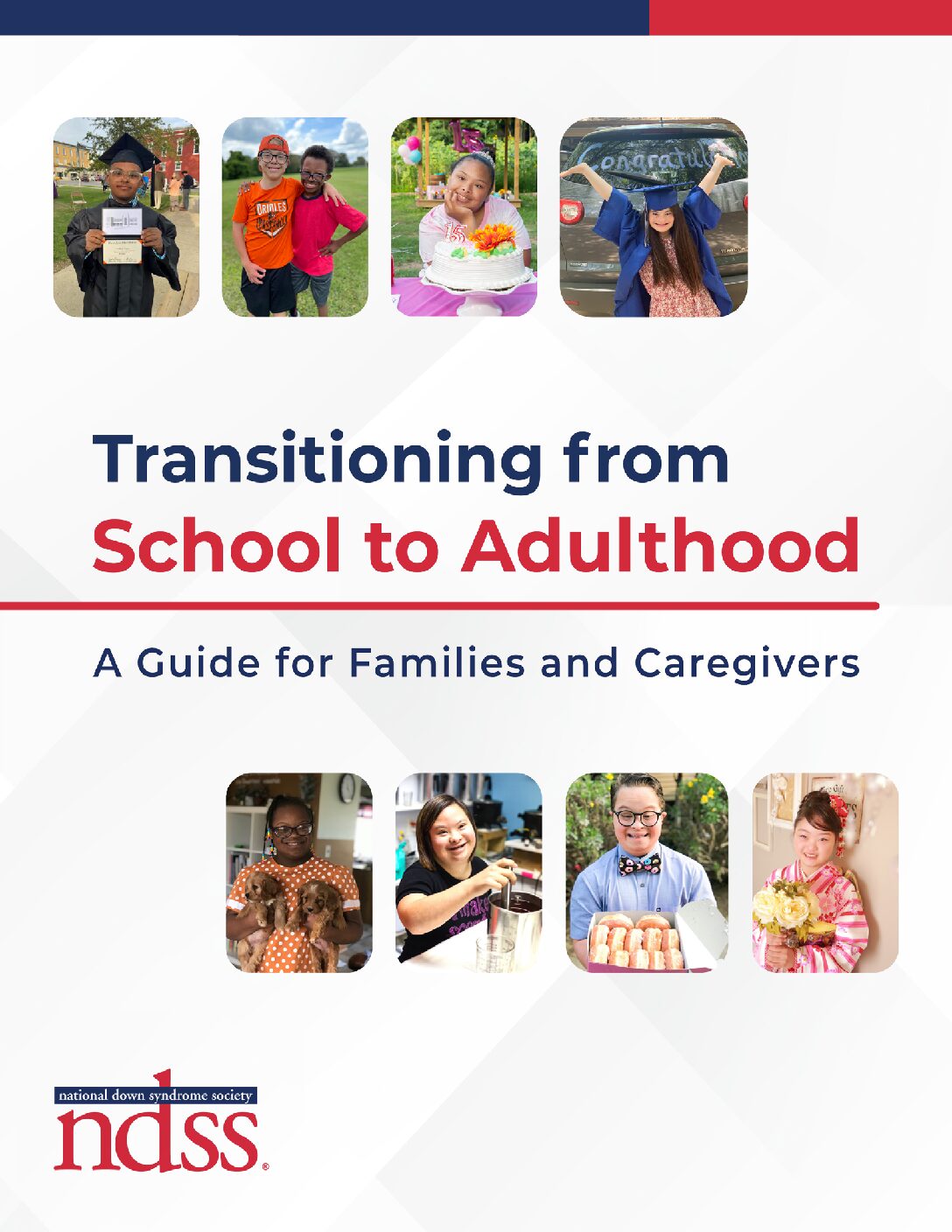
Transitioning from School to Adulthood: A Guide for Families and Caregivers
The intention of this guide is to provide direction, advice, and information, and to present a collection of resources that you can use to help navigate your transition to adulthood as smoothly as possible. Our goal is to point you in some useful directions, but it is ultimately up to you to decide what will be helpful for you in your transition journey. In the sections that follow, you will find guidance on transition planning, person-centered planning, building a transition IEP, and exploring pre-employment services.
Categories: Transition to Adulthood - Employment and Postsecondary Education, Transition to Adulthood - Health Care, Transition to Adulthood - Independent Living

Transition Guide: Self-Advocacy
Self-advocacy means speaking up for yourself and taking an active role in decisions that affect your life. It’s about understanding your strengths and needs, asking questions, finding information, knowing your rights, and asking for help when needed. It’s also about learning how to solve problems, communicate clearly, and build supportive relationships.
Categories: Advocacy, Transition to Adulthood - Employment and Postsecondary Education, Transition to Adulthood - Health Care, Transition to Adulthood - Independent Living

Transition Guide: Person-Centered Planning - Fact Sheet for Parents
Begin with the End in Mind It’s never too soon to start planning with your child for their future. When your child is in middle school, this may seem far away and you are focused on today. But those middle and high school years will pass quickly and soon your child will be an adult. While planning is important for all students, it is even more important for students with disabilities who may face more challenges than their peers without disabilities.
Categories: Transition to Adulthood - Employment and Postsecondary Education, Transition to Adulthood - Health Care, Transition to Adulthood - Independent Living

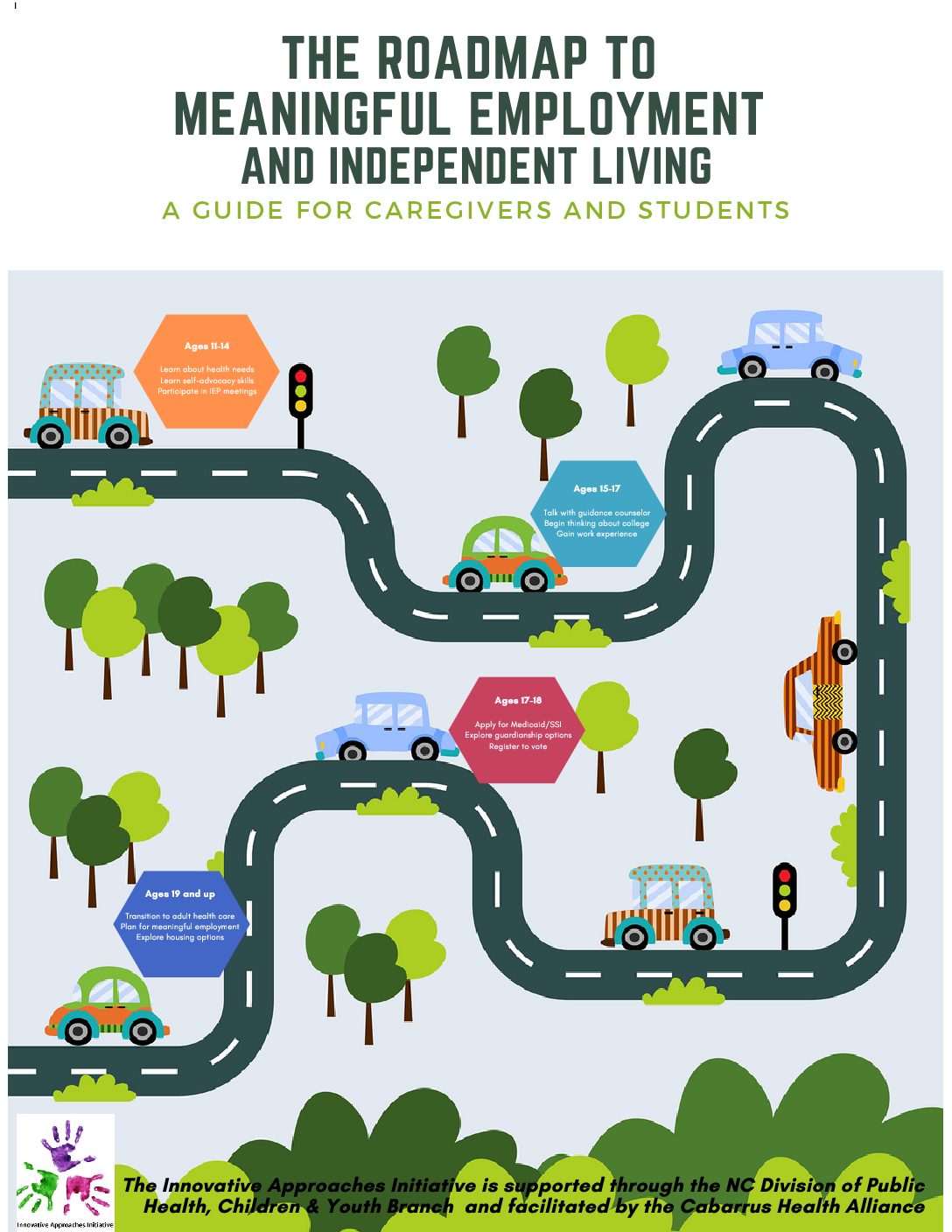
有意義的就業和獨立生活的路線圖
照顧者和學生向成年期過渡的指南
Categories: Transition to Adulthood - Employment and Postsecondary Education, Transition-age Youth, Transition to Adulthood - Independent Living

Supported Decision-Making - When Do I Need Support?
Everyone needs support making some of their decisions. Some people may need support at the doctor’s office. Some people may need help with their taxes. Some people may need help with money. When you receive help with decisions, that is called Supported-Decision-Making. This document can help you decide what you are able to do on your own and what you may need help with.
Categories: Transition to Adulthood - Employment and Postsecondary Education, Transition to Adulthood - Health Care, Transition to Adulthood - Independent Living

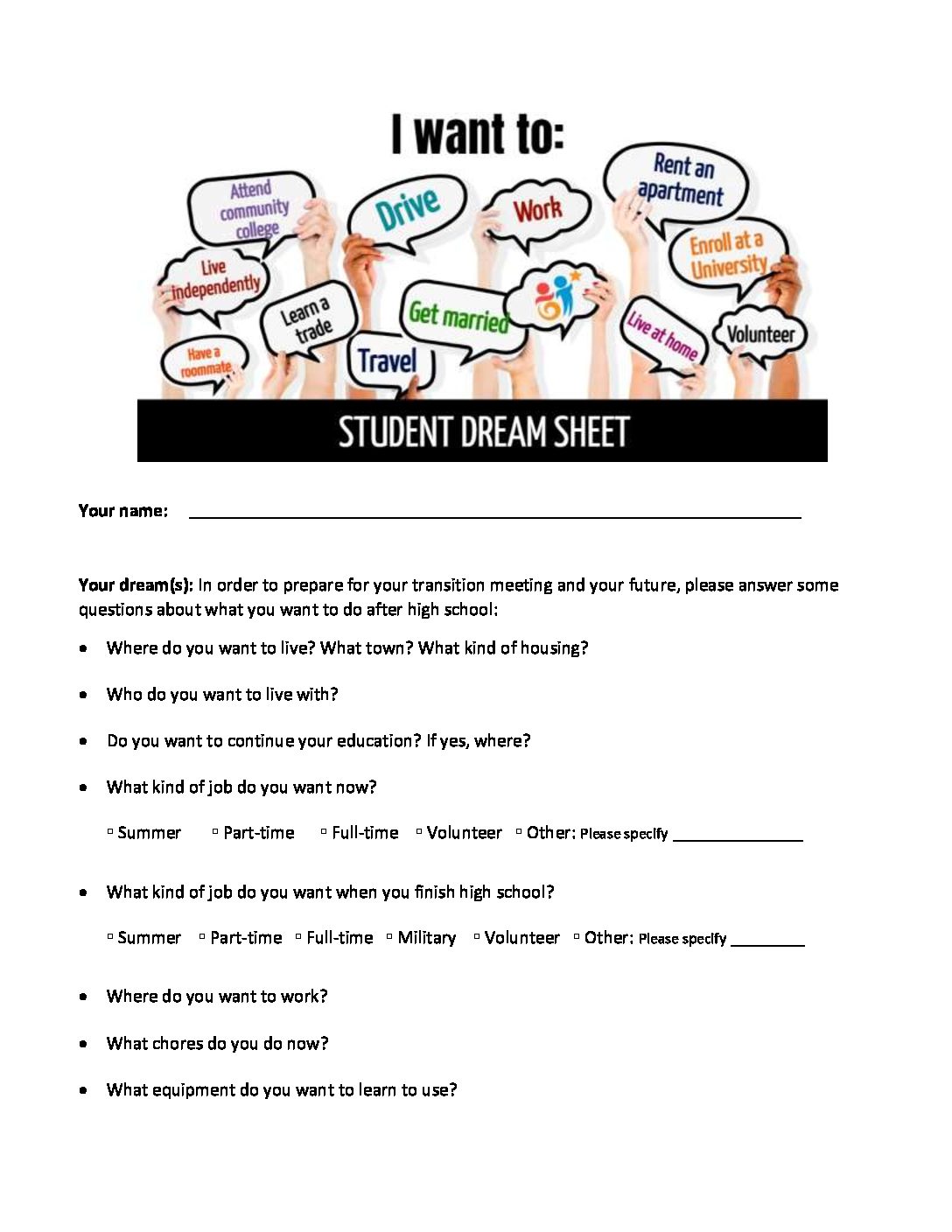
學生夢想表
過渡是一個旅程, 現在開始計劃旅行。學生夢想表可以幫助學生設定目標並分享他們的興趣和偏好。
Categories: Advocacy, IEP, Transition to Adulthood - Employment and Postsecondary Education, Transition to Adulthood - Health Care, Transition-age Youth, Transition to Adulthood - Independent Living

Self-Advocacy - Ways to Speak Up For Yourself (Visual)
Categories: Advocacy, Transition to Adulthood - Employment and Postsecondary Education, Transition to Adulthood - Health Care, Transition to Adulthood - Independent Living

Person-Centered Planning (PCP)
Person-Centered Planning is all about YOU and YOUR plans for YOUR future!
Categories: Transition to Adulthood - Employment and Postsecondary Education, Transition to Adulthood - Health Care, Transition-age Youth, Transition to Adulthood - Independent Living

Person-Centered Planning - For Youth
Person-Centered Planning is all about YOU! YOU are focus of person-centered planning, also called PCP. That means that you get to let your family, your teachers, and others know what you want to do when you leave high school or college and how you want to live your life. People that you trust and care about can help you make those choices but you voice is the most important. PCP can help you achieve your goals and dreams for life after high school
Categories: Transition to Adulthood - Employment and Postsecondary Education, Transition to Adulthood - Health Care, Transition-age Youth, Transition to Adulthood - Independent Living

North Carolina Centers for Independent Living - Youth Fact Sheet
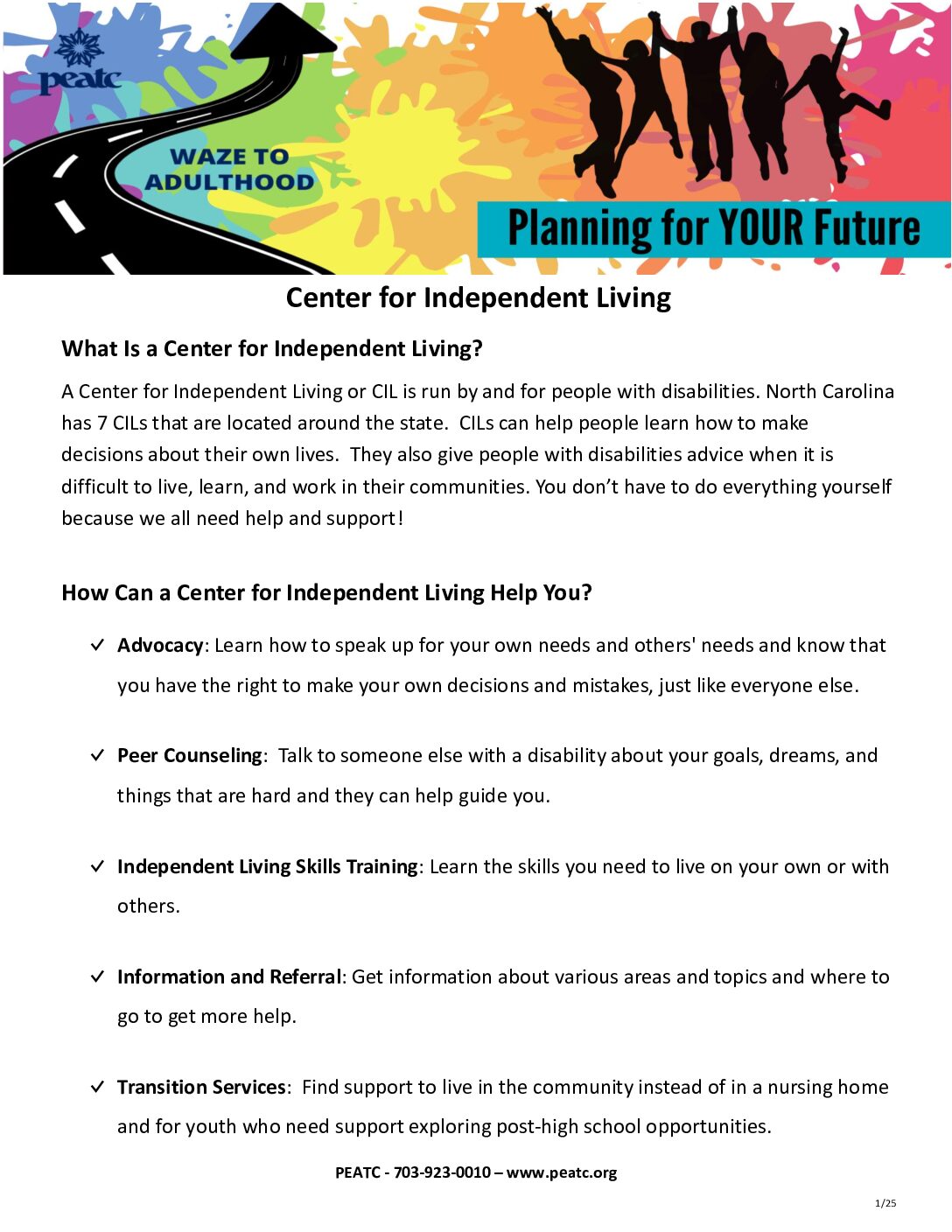
A Center for Independent Living or CIL is run by and for people with disabilities. North Carolina has 7 CILs that are located around the state. CILs can help people learn how to make decisions about their own lives. They also give people with disabilities advice when it is difficult to live, learn, and work in their communities. You don’t have to do everything yourself because we all need help and support!
Categories: Transition to Adulthood - Independent Living

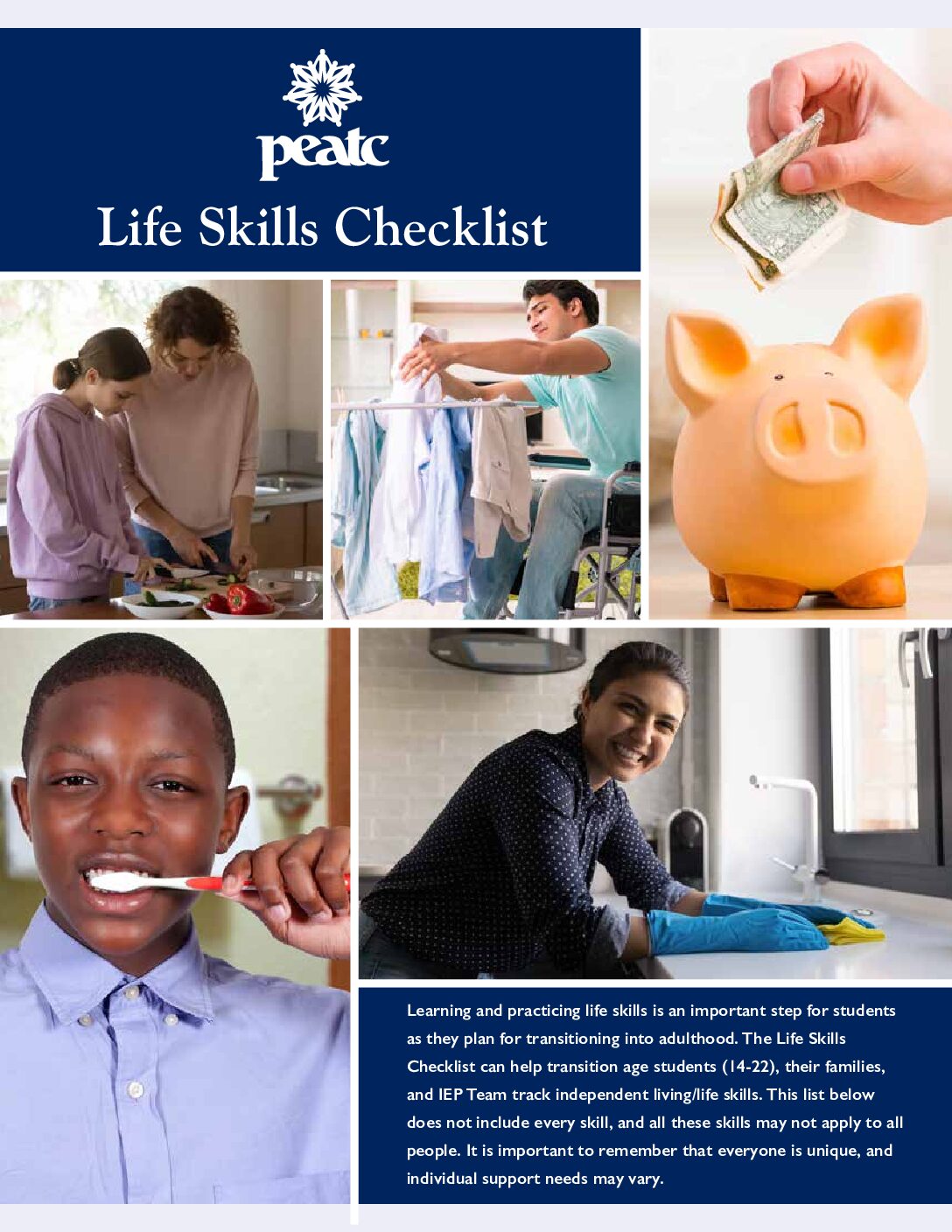
Life Skills Checklist
Learning and practicing life skills is an important step for students as they plan for transitioning into adulthood. The Life Skills Checklist can help transition age students (14-22), their families, and IEP Team track independent living/life skills.
Categories: Transition to Adulthood - Independent Living

Independent Living Toolkit
This guide is intended to provide resources for housing and independent living for people with IDD in North Carolina.
Categories: Transition to Adulthood - Independent Living

Independent Living Skills - Youth
It’s great to want to do things on your own and take care of yourself. That is what independent living skills mean. And the more you practice, the better you will get. But it’s also important to remember that all of us need help with some things. Some people are better at cooking, some are better at laundry, and some are better at solving problems. While you strive to be independent, never worry about having to ask for help! For some things, you may always need help, and that’s okay
Categories: Transition to Adulthood - Independent Living

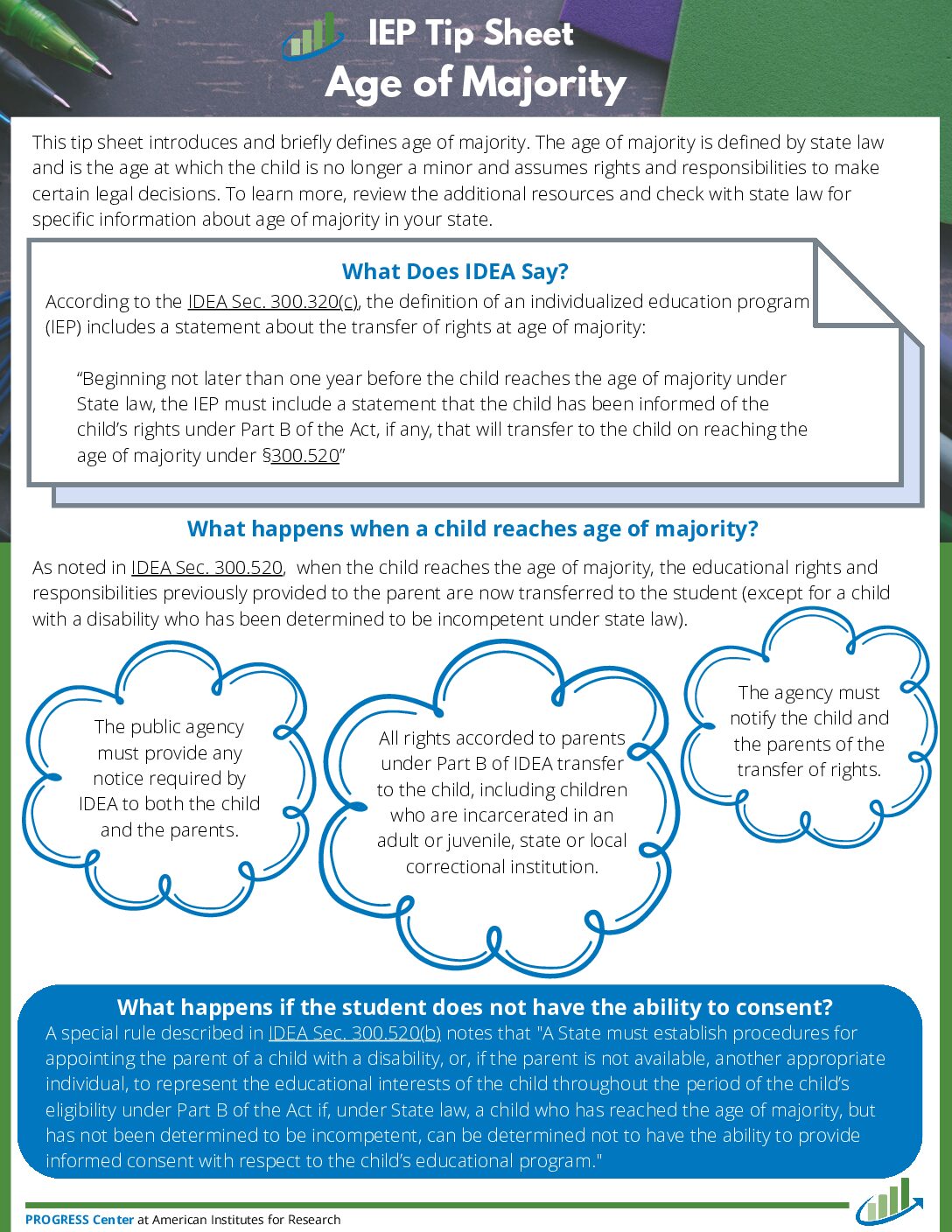
IEP Tip Sheet: Age of Majority
This tip sheet introduces and briefly defines age of majority. The age of majority is defined by state law and is the age at which the child is no longer a minor and assumes rights and responsibilities to make certain legal decisions. To learn more, review the additional resources and check with state law for specific information about age of majority in your state.
Categories: IEP, Special Education, Transition to Adulthood - Independent Living

監護 - 北卡羅來納州自閉症協會的資源指南
本指南旨在為父母提供有關監護權的實用資訊,以幫助他們做出明智的決定。
Categories: Guardianship and Alternatives, Transition to Adulthood - Health Care, Transition to Adulthood - Independent Living

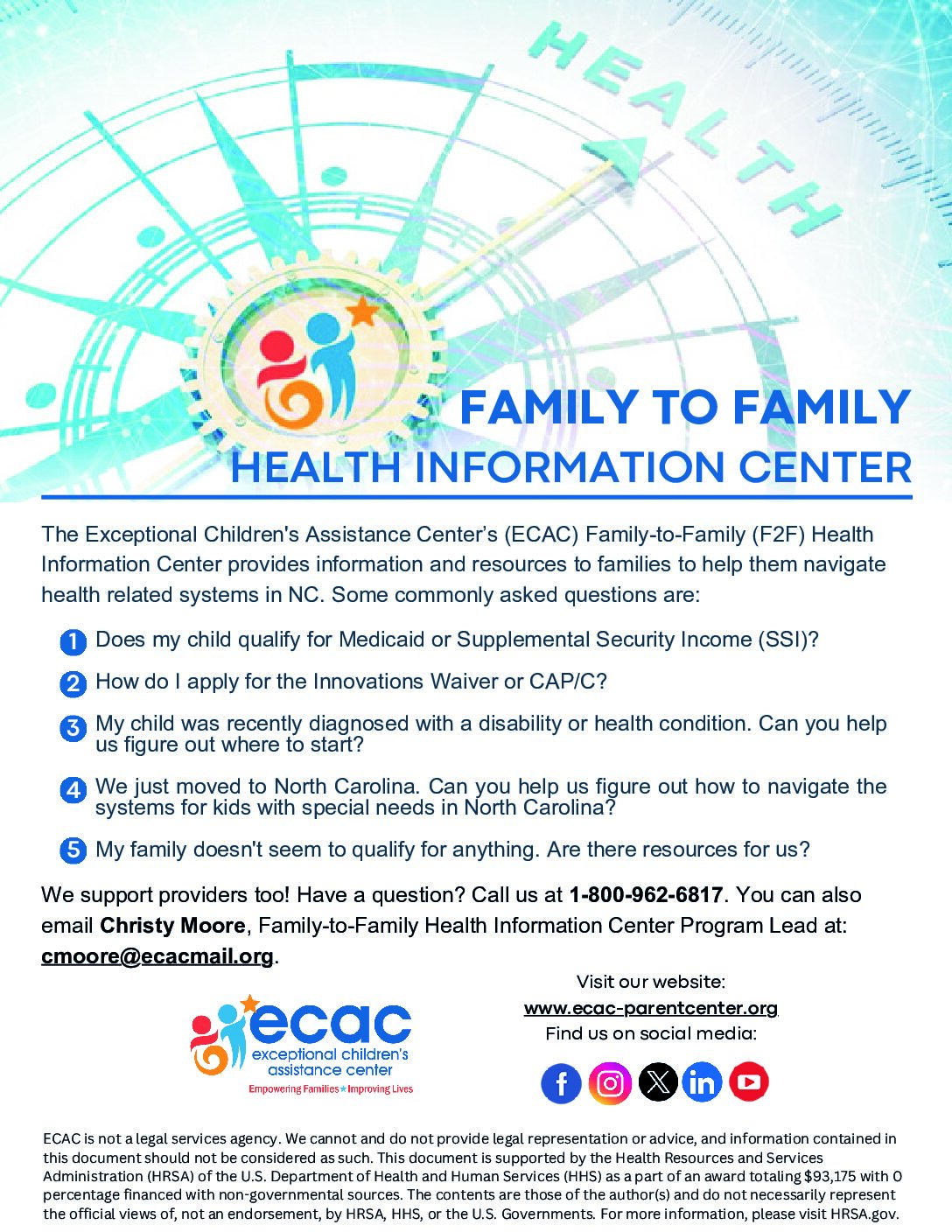
家庭對家庭 (F2F) 健康資訊中心情況說明書(英文)
除了説明家庭駕馭特殊教育系統外,ECAC 還專門説明家庭駕馭北卡羅來納州與健康相關的系統。
Categories: Disability and Health Condition Specific Information, Guardianship and Alternatives, Health Care in Schools, Medicaid and Medicaid Waivers, Special Needs Financial Planning and Financial Resources, Social and Recreation, SSI and SSDI, Transition to Adulthood - Health Care, Transition to Adulthood - Independent Living

Do You Have It?
As an adult, there are a number of important items you should have close by so you know where they are when you need them. Look at the list below. Do you have it?
Categories: Transition to Adulthood - Independent Living

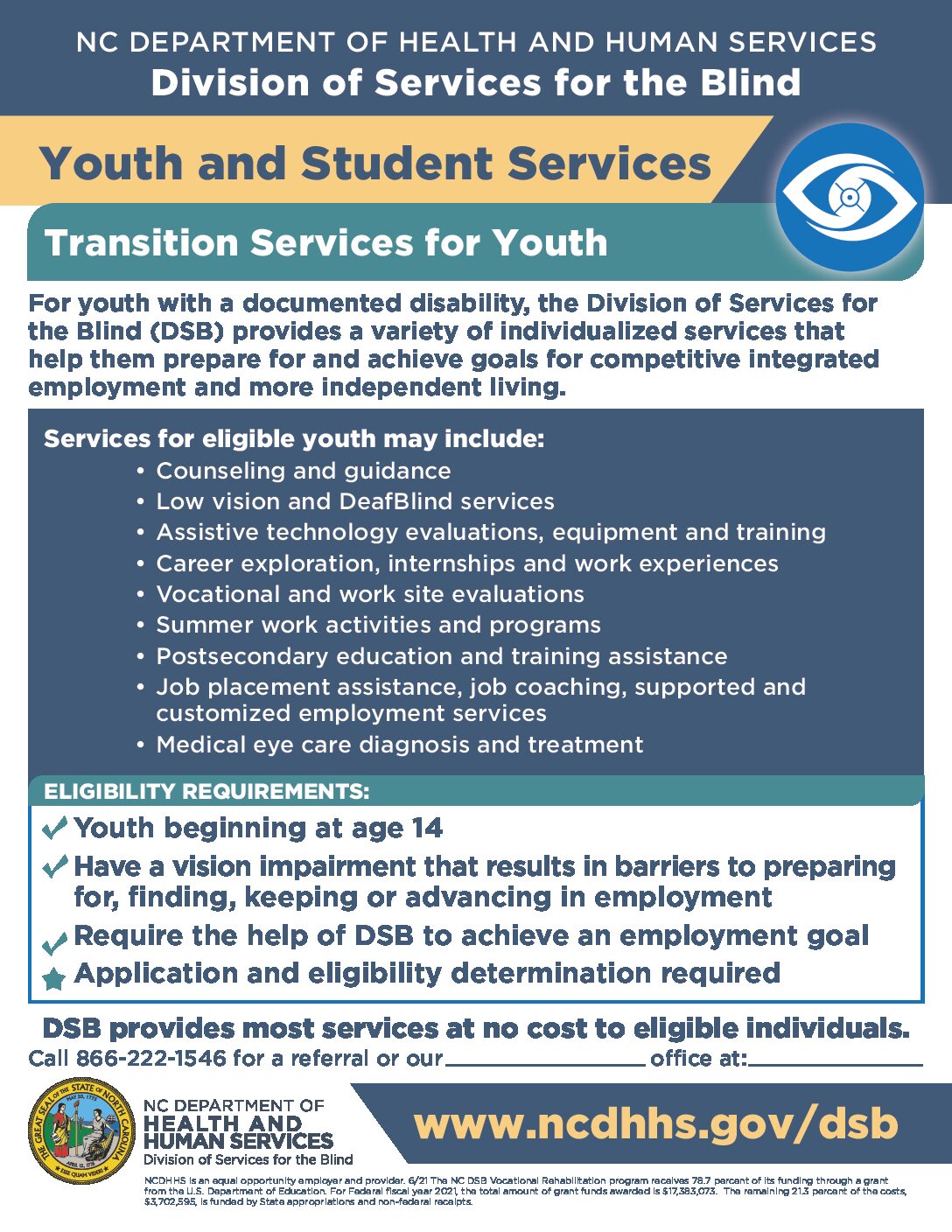
盲人服務司 - 青少年過渡服務
對於有殘疾記錄的青少年,盲人服務司 (DSB) 提供各種個人化服務,幫助他們準備並實現有競爭力的綜合就業和更獨立的生活目標。
Categories: NC Deaf-Blind Project, Transition to Adulthood - Employment and Postsecondary Education, Transition to Adulthood - Independent Living

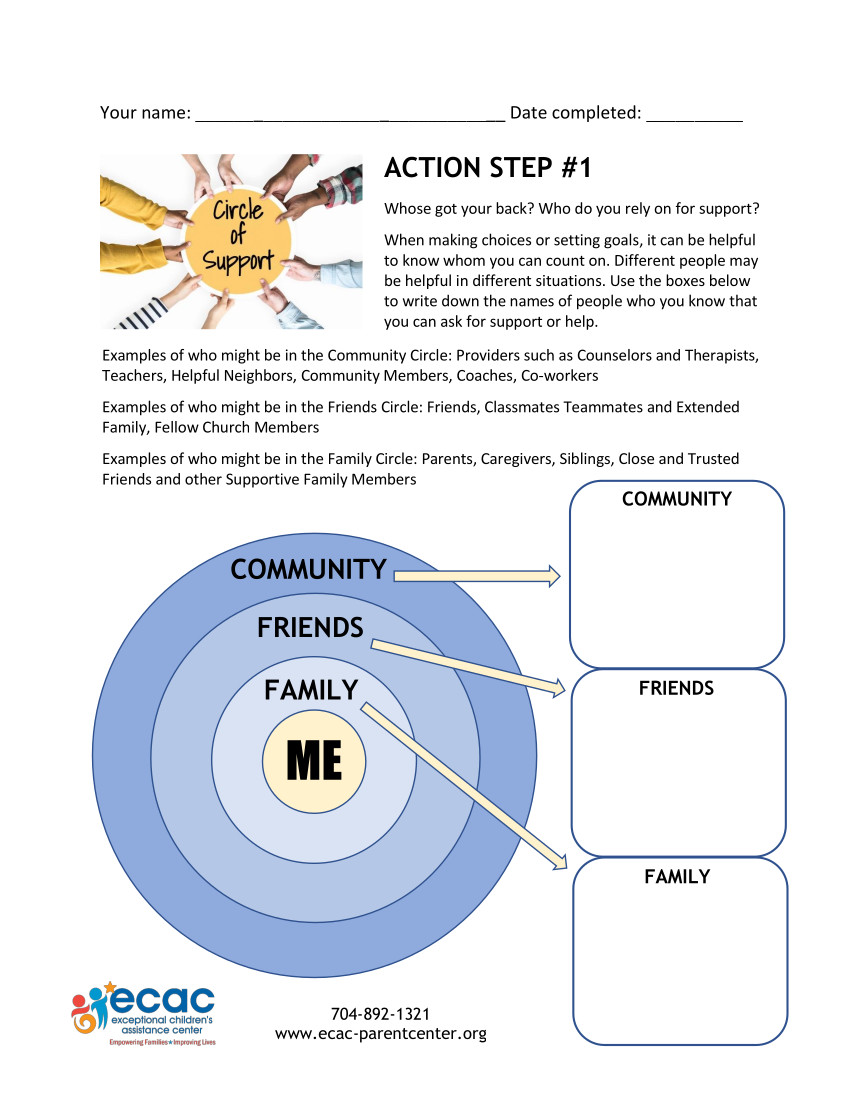
支援圈 - 操作步驟 1
在做出選擇或設定目標時,知道您可以依靠誰可能會有所説明。不同的人可能在不同的情況下有所説明。使用此工作表寫下您知道可以尋求支援或幫助的人員的姓名。
Categories: Advocacy, Transition to Adulthood - Employment and Postsecondary Education, Transition to Adulthood - Health Care, Transition-age Youth, Transition to Adulthood - Independent Living

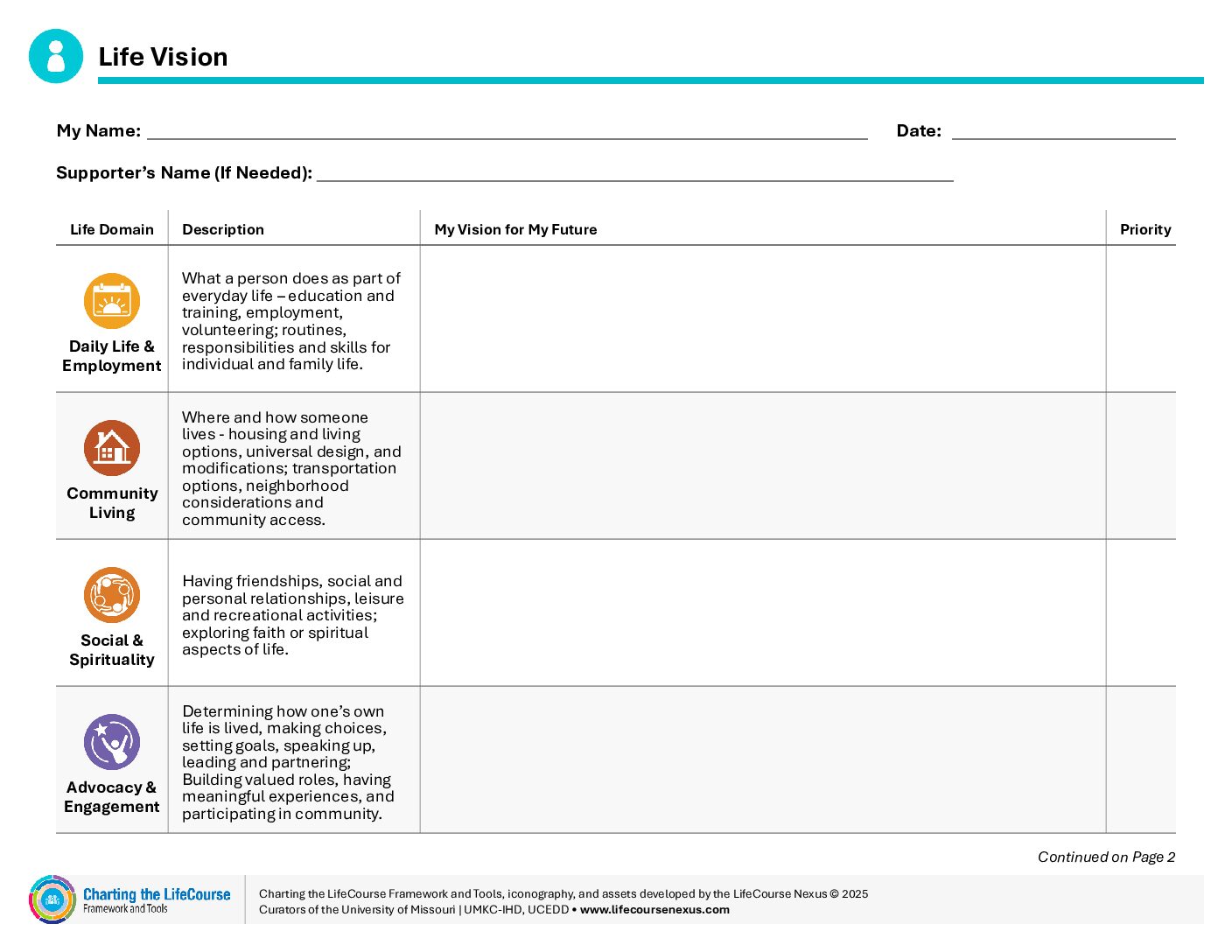
Charting the LifeCourse: Person Centered - Life Vision
This document is part of the Charting the LifeCourse set of tools. Visit https://www.lifecoursetools.com/ for examples on how to use this tool, and explore other tools.
Categories: Transition to Adulthood - Employment and Postsecondary Education, Transition to Adulthood - Health Care, Transition to Adulthood - Independent Living

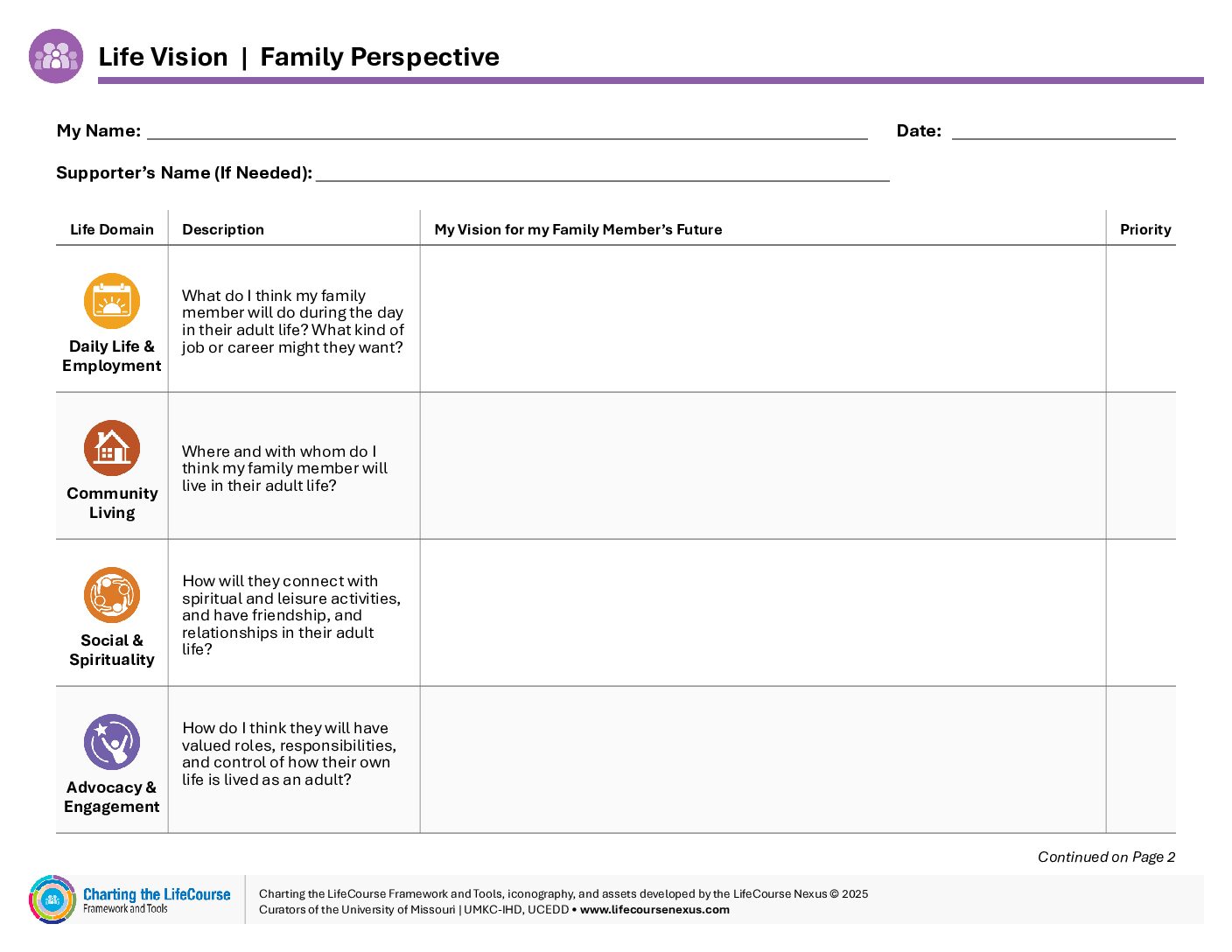
Charting the LifeCourse: Life Domain Vision Tool - Family Perspective
This document is part of the Charting the Life Course set of tools. Visit https://www.lifecoursetools.com/ for examples on how to use this tool, and explore other tools.
Categories: Transition to Adulthood - Employment and Postsecondary Education, Transition to Adulthood - Health Care, Transition to Adulthood - Independent Living

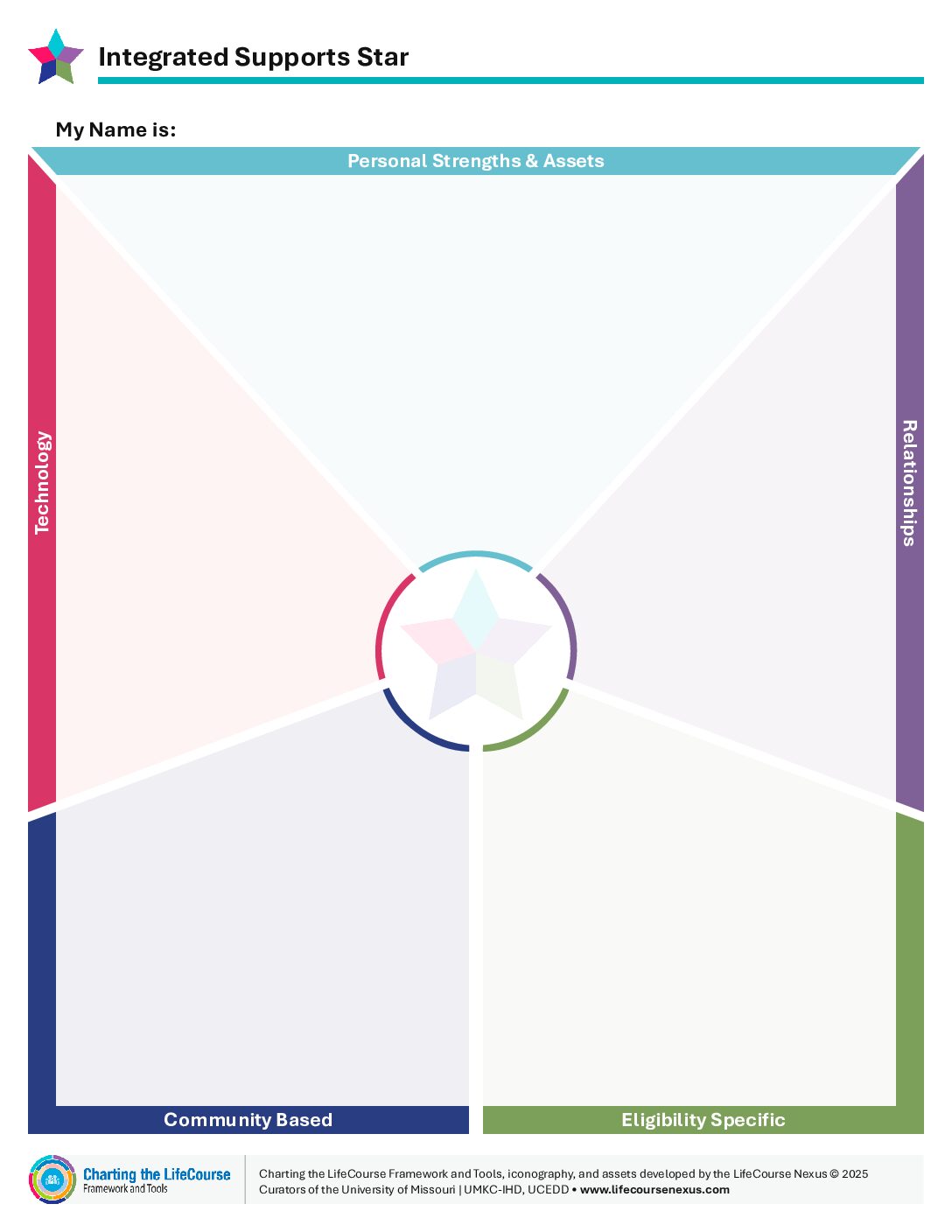
Charting the LifeCourse: Integrated Supports Star
This document is part of the Charting the LifeCourse set of tools. Visit https://www.lifecoursetools.com/ for examples on how to use this tool, and explore other tools.
Categories: Transition to Adulthood - Employment and Postsecondary Education, Transition to Adulthood - Health Care, Transition to Adulthood - Independent Living

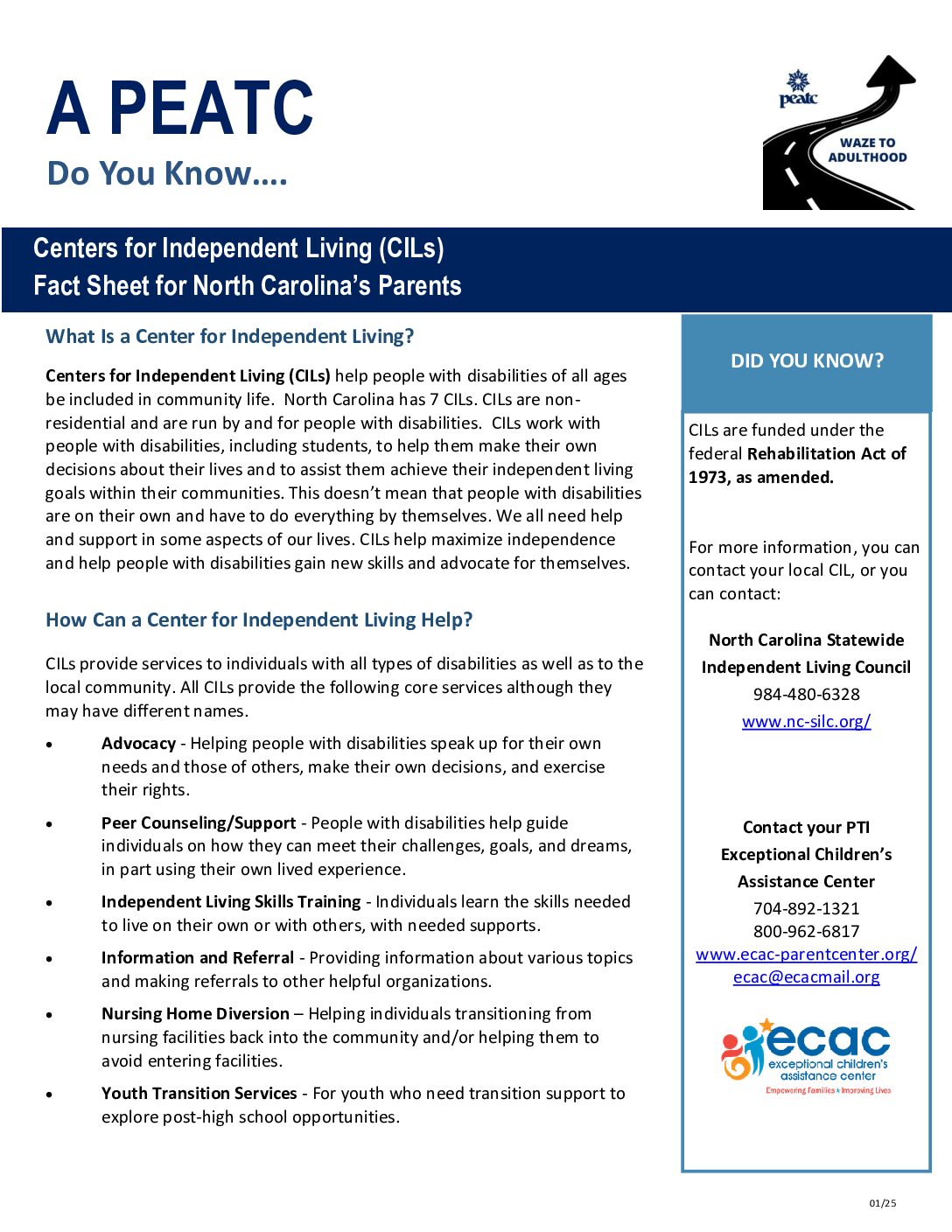
Centers for Independent Living (CILs) Fact Sheet for North Carolina’s Parents
Centers for Independent Living (CILs) help people with disabilities of all ages be included in community life. North Carolina has 7 CILs. CILs are nonresidential and are run by and for people with disabilities. CILs work with people with disabilities, including students, to help them make their own decisions about their lives and to assist them achieve their independent living goals within their communities.
Categories: Transition to Adulthood - Independent Living

Being Involved in Person-Centered Planning for Students & Young Adults with Disabilities in Foster, Kinship, or Adoptive Families
Creating a vision for the future helps provide a plan for youth with disabilities who are unclear and/or anxious about becoming an adult. Person-centered planning (PCP) is directed by the youth to help them plan their life and supports.
Categories: Transition to Adulthood - Employment and Postsecondary Education, Transition to Adulthood - Health Care, Transition to Adulthood - Independent Living

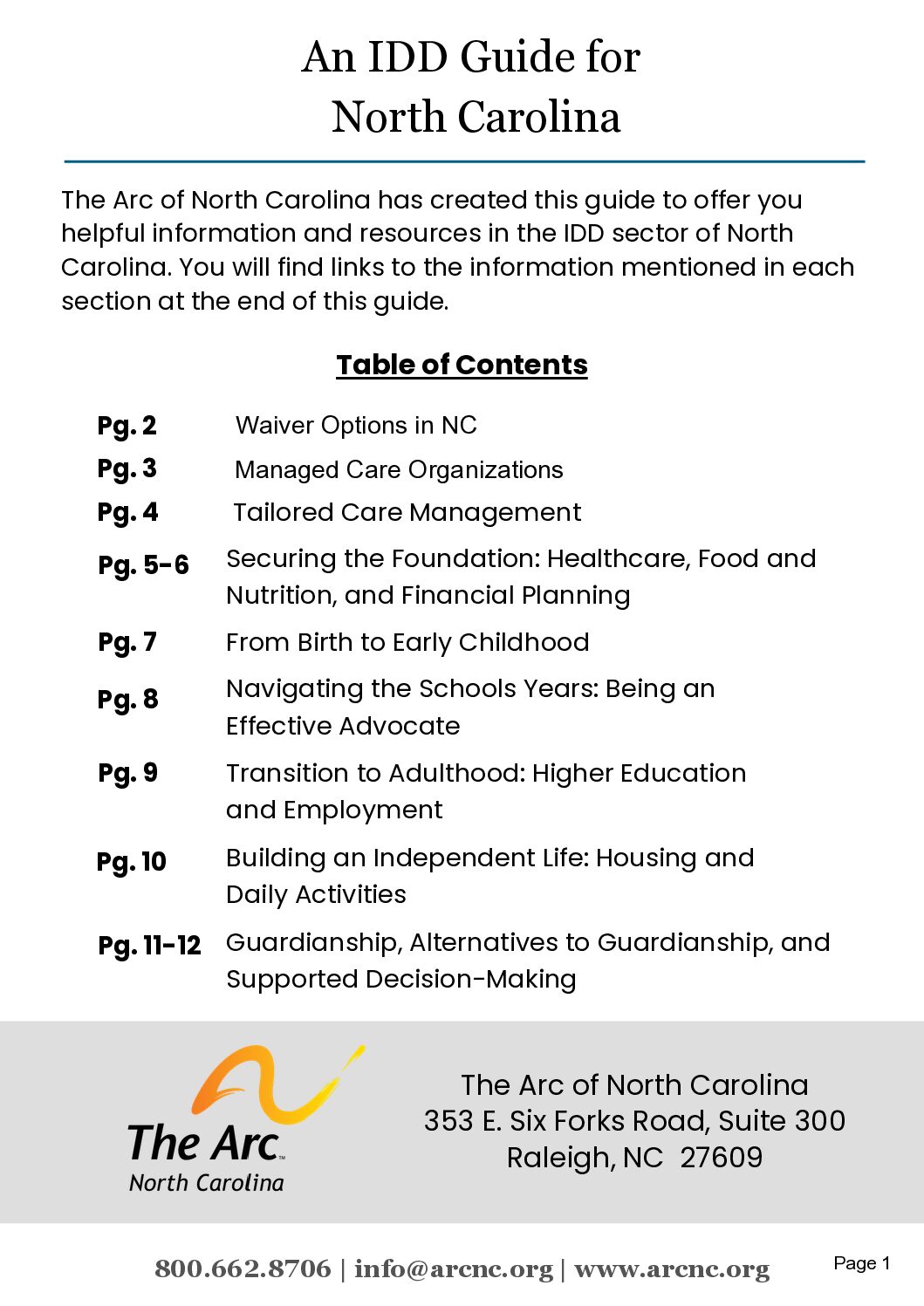
An IDD Guide for North Carolina
The Arc of North Carolina has created this guide to offer you helpful information and resources in the IDD sector of North Carolina. You will find links to the information mentioned in each section at the end of this guide.
Categories: Medicaid and Medicaid Waivers, Special Needs Financial Planning and Financial Resources, Transition to Adulthood - Independent Living

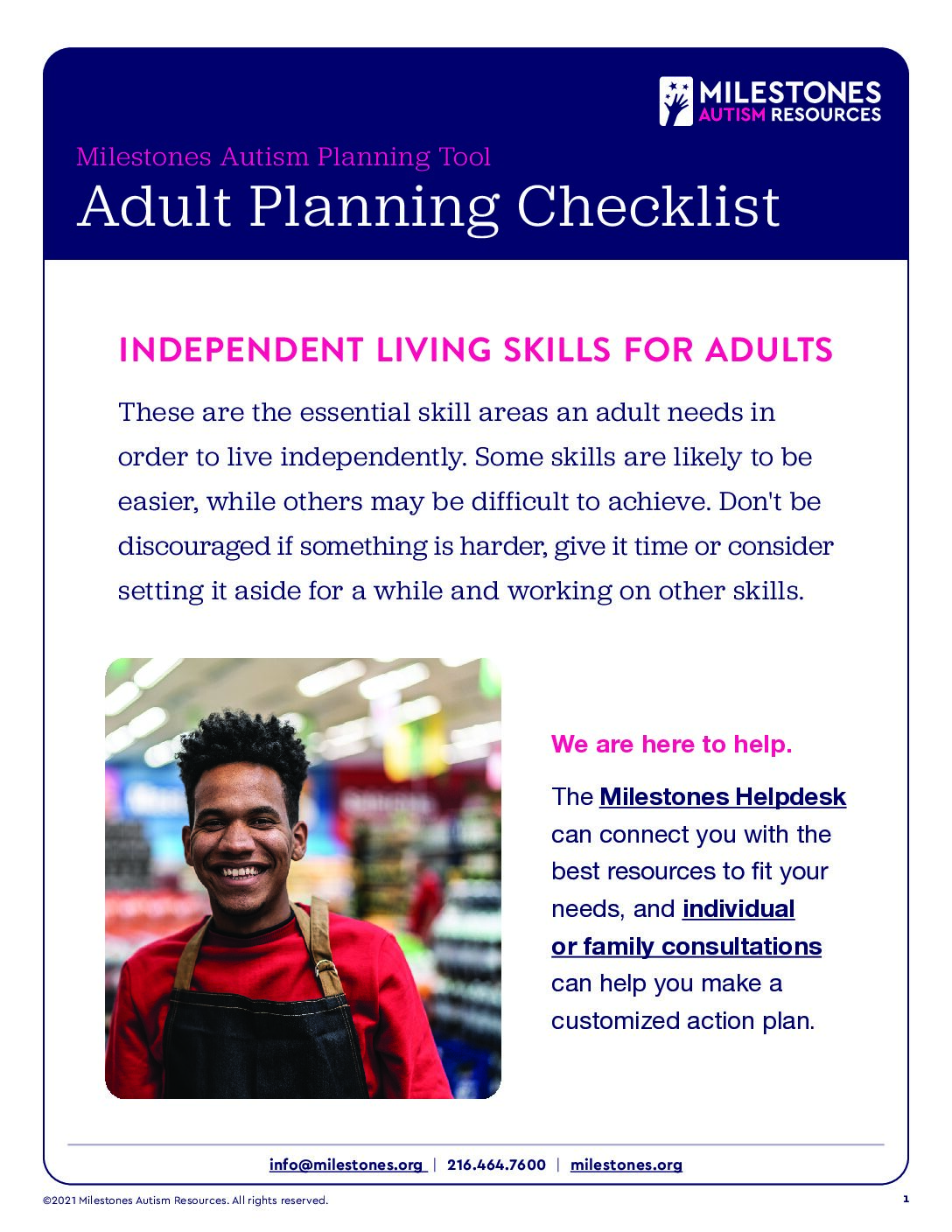
Adult Planning Checklist
Independent Living Skills for Adults - These are the essential skill areas an adult needs in order to live independently
Categories: Transition to Adulthood - Independent Living